Countries
HUNGARY
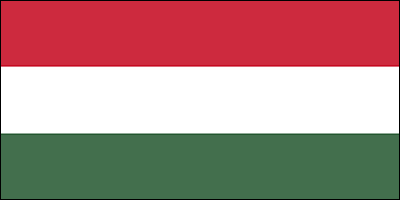
Population: 9,634,164 (2021)
Capital: Budapest
Geographical size: 93,024 km2
GDP: € 141.70 billion (2020)
Official EU language(s): Hungarian
Currency: Hungarian Forint (HUF)
Higher Education
- Number of higher education institutions: 68
- Number of students in higher education: 380,800 (2012, Euro-monitor International from national statistics/UNESCO)
- Number of international students in higher education: 33.000 (2020, UNESCO)
- Language of instruction: Most higher education programmes in Hungary are taught in Hungarian Language but you will find many taught in English, German and other languages (e.g. Russian, French, etc.)
- Typical tuition fees: Tuition fees vary from around 500 to 6000 Euros per semester (a semester is half an academic year). Tuition fees may differ depending on the field of study and the level of degree. It should also be noted that international students from EU and non-EU countries can be granted different scholarships. Find out more by contacting us.
- Average length of a full-time higher education programme in Hungary;
- Bachelor's degree programme: 3-4 years
- Medical Doctor degree programme: 6 years + (BMC- by preference)
- Master's degree programme: 1-2 years
- Doctorate/PhD: 3-5 years
Fast Facts
- Capital: Budapest (also largest city)
- Borders with: Slovakia, Ukraine, Romania, Serbia, Croatia, Slovenia and Austria
- Official language: Hungarian
- Currency: Forint
- Member of the European Union since 2004
- Hungarian-language name for the country is Magyarország, and the people call themselves Magyars.
- Known for producing (and using) lots of the spice paprika
- Traditional Hungarian cuisine includes goulash (a soupy stew), palacsinta (pancakes), spicy sausages, dumplings and stuffed vegetables.
- The Danube River runs through the center of Budapest, and from north to south of the entire country.
- Major industries include; mining, construction materials, textiles, chemicals and food processing.
- Hungary is one of the oldest countries in Europe, founded in A.D 896, before France, Germany or England.
- Hungarians broke the Guinness World Record for simultaneous kissing in June 2007, when more than 6,400 couples locked lips outside the parliament building in Budapest.
- Total population of just under 10 million, of which 3.3 million live in the metropolitan area of Budapest.
When Hungarian people introduce themselves, their last name comes first.
SLOVAKIA
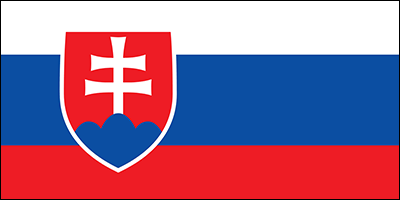
Population: 5,459,642 (2020)
Capital: Bratislava
Geographical size: 49,035 km2
GDP: €145 billion (2020)
Official EU language(s): Slovak
Currency: Euro
Higher education
- Number of higher education institutions: 36
- Number of students in higher education: 221,200 (2012, Euromonitor International from national statistics/UNESCO)
- Number of international students in higher education: 31.124 (2020, UNESCO)
- Language of instruction: Most higher education programmes in Slovakia are taught in Slovak, but you will find many taught in English (and sometimes in other languages, e.g. German, French, Hungarian, Russian, Spanish), too. For more information contact us.
- Typical tuition fees: Students studying full-time in Slovakia without exceeding the standard length of study do not pay a tuition fee, if they study a programme offered in Slovak language. However, they usually must pay a tuition fee if their full education is carried out in another language.
- The tuition fees for study programme at any level are set by each institution individually. Fees for study programmes offered in foreign language vary from 700 € to 11,000 € per one academic year.
- Information on fees for all programmes can be obtained by contacting us.
- Average length of a full-time higher education programme in Slovakia:
- Bachelor’s degree programme: 3 - 4 years
- Medical Doctor degree programme: 6 years
- Master’s degree programme: 2 - 3 years
- Doctorate/PhD: 3 - 4 years
Fast Facts
- Capital: Bratislava (also largest city)
- Borders with: Poland, Ukraine, Hungary, Austria, Czech Republic
- Official language: Slovak
- Currency: Euro
- Member of the European Union since 2004
- Slovak-Language name for the country is Slovensko , and the people call themselves Slovensky.
- Known for producing of traditional and unique food products, fruit and herbal spirits, cut glass or crystal, outdoor clothing, and the production of Christmas decorations
- Traditional Slovak cuisine includes Dumplings with sheep's cheese (bryndzové halušky), Pierogis stuffed with bryndza (bryndzové pirohy), Cabbage soup (kapustnica), Pork with dumplings and cabbage (vepřo knedlo zelo), Fried cheese with French fries and tartar sauce (vyprážaný syr), Schnitzel (vyprážaný rezeň)
- The Danube River runs through.
- Major industries include; automobiles, metal and metal products, electricity, gas, coke, oil, nuclear fuel, chemicals, synthetic fibers, wood and paper products, machinery, earthenware and ceramics, textiles, electrical and optical apparatus, rubber products, food and beverages, pharmaceutical
- Total population is 5,459,642.

 TR
TR EN
EN